About Oxides
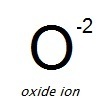
Oxides are compounds that contain one or more oxygen atoms and one or more other atoms. Oxide compounds make up a large proportion of the earth’s crust – nearly all metals naturally occur as minerals in oxide and compound forms which require processing and treatment to obtain the pure metal. The electronegativity of oxygen allows it to readily form compounds with almost all elements in nature, and most metals will spontaneously form oxides at their surface in oxygen-containing atmospheres.
#1: American Elements Develops Additives to Produce Ultra White Coating for Satellite Applications
Chemical Behavior and Classification
For many metals, oxidation can produce a uniform oxide coating termed a passivation layer. Once this coating has formed, it prevents further reaction of the underlying metal. Oxide passivation layers form spontaneously on some types of pure metals, such as aluminum or titanium, as well as on many corrosion-resistant alloys such as stainless steel. In other cases, chemical passivation processes such as chromate conversion coating are used to induce the formation of a protective oxide surface.
Most oxide compounds can also be classified as acidic, basic, or amphoteric based on the type of substances they react with. Typically, compounds of oxygen with nonmetals are acidic in aqueous solution, with the most electronegative elements producing the most acidic oxides. Binary compounds of oxygen with alkali, alkali earth, or transition metals produce basic solutions, with oxides of the more electropositive elements acting as the strongest bases. Finally, the post-transition metals and metalloids form oxides that may act as either acids or bases, and which are therefore considered amphoteric.
Many metal oxides have common names consisting of the metal element’s name modified with the suffix "-ia." Examples of this naming convention include alumina, titania, and zirconia.
Preparation of Metals from their Oxide Forms
The two most commonly used methods used to separate metals form their oxide forms are reduction and hydrolysis reactions. Reduction processes exploit redox chemistry and require a compound that more easily donates electrons than the element bonded to oxygen in the oxide. The most commonly used reducing agent in metallurgy is carbon in the form of coke, which can be used to win many metals from their oxide ores in what is termed a carbothermic reaction. Organic compounds are also sometimes used in reduction reactions to separate metals from their oxide forms. Hydrolysis is a method typically used with more reactive metal oxides, which can be dissolved into aqueous solution, sometimes with the assistance of a strong acid, and then recovered through precipitation steps or electrowinning processes.
Applications for Metal Oxides
The wide range of applications for metal oxides include their use as ceramics, refractory materials, pigments, lotions, coatings, magnetic applications, catalysis, and mesoporous materials. Ceramics often consist of metal oxides including zinc oxide, silicon dioxide, iron oxide, and aluminum oxide. Aluminum oxide-containing ceramics are commonly found in high temperature applications due to its high melting point. Refractory materials are both chemical and physically stable at high temperatures. For this reason use of these materials is common in engine components, high temperature furnaces, kilns, high friction applications, roofing, construction, and lighting. A common refractory medal oxide is zirconia, which can additionally be doped with other chemical elements including yttrium, scandium and cerium. Pigments are found in paints and cosmetics where titanium dioxide and zinc oxide compounds are typically found. Both zinc and titanium oxides are additional used in sunscreens and exterior surface coatings as UV protectants. Magnetic metal oxides are used in biomedical, magnetic data storage and electronics applications. For example, iron oxide nanoparticles are being studies for their efficacy in medical imaging and in antibody purification. Catalysis often requires metal oxides to improve reaction kinetics and provide either intermediate or final products. Areas of ongoing research in applying metal oxides to catalytic reactions are fuel and carbon dioxide (CO2) catalysis. In one Stanford University study, carbon dioxide reduction catalysis is achieved using copper oxide nanoparticles. Mesoporous materials have nanosize pores which are used in drug delivery, remediation, filtration, adsorption, and catalytic process applications. For example, water treatment frequently applies mesoporous transition metal oxides as catalysts. Common metal oxides used in mesoporous materials and in catalysis include titanium dioxide, iron oxide, zirconia, manganese oxide, and chromium oxide.
Products such as superconductors, semiconductor applications, optical windows, batteries, electronics and renewable energy products also include various metal oxides. Superconductors, for example, frequently use metal oxides and ceramics including copper oxide systems and iron oxide systems. Semiconductors such as MOSFETS (or metal oxide semiconductor field effect transistor) are transistors made of metal oxides used to amplify or toggle electronic signals. Photovoltaic or solar cells include multi-element oxides such as perovskite crystal-based systems can include aluminum oxide, titanium oxide, or zirconium oxide. Metal oxides can additionally be used as materials for solid oxide fuel cells (SOFCs), batteries, and advanced electronics.
Most Common Metallic Oxides in Commercial Applications
Numerous metal oxides occur in nature as ores and following purification for a given application are used across a wide range of industries including aerospace, biomedicine, automotive, construction, and consumer products. The following metal oxides are commonly found in commercial applications: aluminum oxide, titanium dioxide, zirconium oxide, zinc oxide, iron oxide, and silicon dioxide. Aluminum oxide exhibits high thermal conductivity, abrasiveness, and a high melting point. The compound is often found in paints, abrasive materials such as sandpaper, and as an ingredient in sunscreens, lipstick, and nail polish. Titanium dioxide is a bright white substance found in paints, creams, paper, plastic, coating of self-cleaning surfaces, and used as a disinfectant. Zirconia is used in ceramic knife blades such as ceramic kitchen knives, in metal forming tools, and as an additive to abrasive materials. Zinc oxide exhibits high thermal conductivity as well as antibacterial, and UV protective properties, lending it to applications including paints, surface protective coatings, lotions, powders, glazes, enamels, antibacterial substances, and food additives. Iron oxides are abundant compounds frequently used in coatings, paints, and as process catalysts. Silicon dioxide or silica exhibits electric insulation properties and is widely used for this purpose in microelectronics.
Below is only a limited selection of the full catalog of oxide products that American Elements manufactures. If you do not see a material you're looking for listed, please search the website or contact customerservice@americanelements.com.
- Aluminum Oxide
- Antimony(IV) Oxide
- Antimony Oxide Sb2O3
- Antimony Oxide Sb2O5
- Arsenic Oxide As2O3
- Arsenic Oxide As2O5
- Arsenic(V) Oxide Hydrate
- Barium Oxide
- Beryllium Oxide
- Beryllium Oxide Hydrate
- Bismuth Oxide
- Boron Oxide
- Cadmium Oxide
- Calcium Oxide
- Calcium Peroxide
- Cerium Oxide
- Cesium Oxide
- Chromium(III) Oxide
- Chromium(IV) Oxide
- Chromium Trioxide
- Cobalt(II) Oxide
- Cobalt(II,III) Oxide
- Cobalt(III) Oxide
- Copper(I) Oxide
- Copper(II) Oxide
- Dysprosium Oxide
- Erbium Oxide
- Europium Oxide
- Gadolinium Oxide
- Gallium Oxide
- Germanium Oxide
- Gold Oxide
- Gold Oxide Hydrate
- Digold Trioxide
- Hafnium Oxide
- Holmium Oxide
- Indium Oxide
- Iodine Oxide
- Iridium Oxide
- Iridium(IV) Oxide Hydrate
- Iron(II) Oxide FeO
- Iron(III) Oxide Fe2O3
- Iron(II,III) Oxide Fe3O4
- Iron(III) Oxide Monohydrate, Yellow
- Lanthanum Oxide
- Lead Dioxide
- Lead(II) Oxide PbO
- Lead(II,IV) Oxide Pb3O4
- Lithium Oxide
- Lutetium Oxide
- Magnesium Oxide
- Magnesium Peroxide
- Magnesium Peroxide Complex
- Manganese Oxide MnO
- Manganese Oxide MnO2
- Manganese Oxide Mn2O3
- Manganese Oxide Mn3O4
- Mercury Oxide
- Molybdenum Oxide
- Molybdenum(IV) Oxide
- Neodymium Oxide
- Nickel(II) Oxide
- Nickel(III) Oxide
- Nickel(II) Peroxide
- Nickel(II) Peroxide Hydrate
- Niobium Oxide NbO
- Niobium Oxide NbO2
- Niobium Oxide Nb2O5
- Osmium(VI) Oxide OsO2
- Osmium Tetroxide OsO4
- Palladium Dioxide
- Palladium Oxide
- Palladium Oxide Hydrate
- Phosphorus Pentoxide
- Platinum Oxide
- Platinum(IV) Oxide Hydrate
- Platinum(IV) Oxide Monohydrate
- Potassium Oxide
- Potassium Superoxide
- Praseodymium Oxide Pr2O3
- Praseodymium Oxide Pr6O11
- Rhenium Oxide ReO2
- Rhenium Oxide ReO3
- Rhenium Oxide Re2O7
- Rhodium Oxide
- Rhodium(III) Oxide Pentahydrate
- Rubidium Oxide
- Ruthenium(VIII) Oxide
- Ruthenium Oxide
- Ruthenium(IV) Oxide Hydrate
- Samarium Oxide
- Scandium Oxide
- Selenium Oxide
- Silicon Dioxide
- Silver Oxide AgO
- Silver Oxide Ag2O
- Sodium Oxide
- Strontium Oxide
- Tantalum Oxide
- Tellurium Oxide
- Terbium Oxide
- Terbium(III) Oxide
- Thallium(I) Oxide
- Thallium(III) Oxide
- Thorium Oxide
- Thulium Oxide
- Tin Oxide SnO
- Tin Oxide SnO2
- Titanium Oxide TiO
- Titanium Oxide TiO2
- Titanium Oxide Ti2O3
- Titanium Oxide Ti3O5
- Tungsten Blue Oxide
- Tungsten Oxide WO2
- Tungsten Oxide WO3
- Uranium Oxide
- Vanadium Oxide V2O3
- Vanadium Oxide V6O13
- Vanadium(II) Oxide VO
- Vanadium(IV) Oxide VO2
- Vanadium(V) Oxide V2O5
- Ytterbium Oxide
- Yttrium Oxide
- Zinc Oxide
- Zinc Peroxide
- Zirconium Oxide
- Aluminum Oxide Nanoparticles
- Antimony Oxide Nanoparticles
- Arsenic Oxide Nanoparticles
- Barium Oxide Nanoparticles
- Beryllium Oxide Nanoparticles
- Bismuth Oxide Nanoparticles
- Boron Oxide Nanoparticles
- Cadmium Oxide Nanoparticles
- Calcium Oxide Nanoparticles
- Cerium Oxide Nanoparticles
- Cesium Oxide Nanoparticles
- Chromium Oxide Nanoparticles
- Cobalt(IIIII) Oxide Nanopowder
- Cobalt(III) Oxide Nanoparticles
- Dysprosium Oxide Nanoparticles
- Erbium Oxide Nanoparticles
- Europium Oxide Nanoparticles
- Gadolinium Oxide Nanoparticles
- Gallium Oxide Nanoparticles
- Germanium Oxide Nanoparticles
- Gold Oxide Nanoparticles
- Hafnium Oxide Nanoparticles
- Holmium Oxide Nanopowder
- Indium Oxide Nanoparticles
- Iridium Oxide Nanoparticles
- Iron(IIIII) Oxide Nanopowder
- Iron(III) Oxide Nanoparticles
- Lanthanum Oxide Nanoparticles
- Lead Oxide Nanoparticles
- Lithium Oxide Nanoparticles
- Lutetium Oxide Nanoparticles
- Magnesium Oxide Nanoparticles
- Manganese Oxide Nanoparticles
- Molybdenum Oxide Nanoparticles
- Neodymium Oxide Nanoparticles
- Nickel(II) Oxide Nanoparticles
- Nickel(III) Oxide Nanoparticles
- Niobium Oxide Nanoparticles
- Osmium Oxide Nanoparticles
- Palladium Oxide Nanoparticles
- Platinum Oxide Nanoparticles
- Potassium Oxide Nanoparticles
- Praseodymium Oxide Nanoparticles
- Rhenium Oxide Nanoparticles
- Rhodium Oxide Nanoparticles
- Rubidium Oxide Nanoparticles
- Ruthenium Oxide Nanoparticles
- Samarium Oxide Nanoparticles
- Scandium Oxide Nanoparticles
- Selenium Oxide Nanoparticles
- Silicon Oxide Nanoparticles
- Silver Oxide Nanoparticles
- Sodium Oxide Nanoparticles
- Strontium Oxide Nanoparticles
- Tantalum Oxide Nanoparticles
- Tellurium Oxide Nanoparticles
- TErbium Oxide Nanoparticles
- Thallium Oxide Nanoparticles
- Thorium Oxide Nanopowder
- Thulium Oxide Nanoparticles
- Tin Oxide Nanopowder
- Titanium Oxide Nanoparticles
- Titanium Oxide Anatase Nanopowder
- Titanium Oxide Rutile Nanopowder
- Titanium Oxide Mixed Anatase-Rutile Nanopowder
- Tungsten Oxide Nanopowder
- Vanadium Oxide Nanoparticles
- YttErbium Oxide Nanoparticles
- Yttrium Oxide Nanoparticles
- Zinc Oxide Nanoparticles
- Zirconium Oxide Nanoparticles
- Aluminum Cerium Oxide Nanoparticle Dispersion
- Aluminum Oxide Nanoparticle Disperson
- Aluminum-doped Zinc Oxide Nanoparticle Dispersion
- Antimony Oxide Nanoparticle Dispersion
- Antimony Tin Oxide Nanoparticle Dispersion
- Arsenic Oxide Nanoparticle Dispersion
- Barium Iron Oxide Nanoparticle Dispersion
- Barium Oxide Nanoparticle Dispersion
- Beryllium Oxide Nanoparticle Dispersion
- Bismuth Cobalt Zinc Oxide Nanoparticle Dispersion
- Bismuth Oxide Nanoparticle Dispersion
- Boron Oxide Nanoparticle Dispersion
- Cadmium Oxide Nanoparticle Dispersion
- Calcium Oxide Nanoparticle Dispersion
- Cerium Oxide Calcium doped Nanoparticle Dispersion
- Cerium Oxide Gadolinium doped Nanoparticle Dispersion
- Cerium Oxide Nanoparticle Dispersion
- Cerium Oxide Samarium doped Nanoparticle Dispersion
- Cerium Oxide Yttria doped Nanoparticle Dispersion
- Cerium Zirconium Oxide Nanoparticle Dispersion
- Cesium Oxide Nanoparticle Dispersion
- Cobalt Aluminum Oxide Nanoparticle Dispersion
- Cobalt Iron Oxide Nanoparticle Dispersion
- Cobalt Iron Zinc Oxide Nanoparticle Dispersion
- Copper Aluminum Oxide Nanoparticle Dispersion
- Copper Iron Oxide Nanoparticle Dispersion
- Copper Nanoparticle Dispersion
- Copper Zinc Iron Oxide Nanoparticle Dispersion
- Diamond Nanoparticle Dispersion
- Dysprosium Oxide Nanoparticle Dispersion
- Erbium Oxide Nanoparticle Dispersion
- Europium Oxide Nanoparticle Dispersion
- Gadolinium Oxide Nanoparticle Dispersion
- Gallium Oxide Nanoparticle Dispersion
- Gallium-Doped Zinc Oxide (GZO) Nanoparticle Dispersion
- Germanium Oxide Nanoparticle Dispersion
- Gold Oxide Nanoparticle Dispersion
- Graphene Oxide Dispersion
- Hafnium Oxide Nanoparticle Dispersion
- Holmium Oxide Nanoparticle Dispersion
- Indium Oxide Nanoparticle Dispersion
- Indium Tin Oxide Nanoparticle Dispersion
- Iridium Oxide Nanoparticle Dispersion
- Iron Nickel Oxide Nanoparticle Dispersion
- Iron Nickel Oxide Nanoparticle Dispersion
- Iron(II,III) Oxide Nanoparticle Dispersion
- Iron(III) Oxide Nanoparticle Dispersion
- Lanthanum Nickelate Nanoparticle Dispersion
- Lanthanum Nickelate, Strontium-doped Nanoparticle Dispersion
- Lanthanum Oxide Nanoparticle Dispersion
- Lanthanum Strontium Manganese Oxide Nanoparticle Dispersion
- Lead Oxide Nanoparticle Dispersion
- Lithium Cobalt Oxide Nanopwder
- Lithium Manganese Oxide Nanoparticle Dispersion
- Lithium Oxide Nanoparticle Dispersion
- Lutetium Oxide Nanoparticle Dispersion
- Magnesium Aluminum Oxide Nanoparticle Dispersion
- Magnesium Iron Oxide Nanoparticle Dispersion
- Magnesium Oxide Nanoparticle Dispersion
- Magnesium Zinc Iron Oxide Nanoparticle Dispersion
- Manganese Iron Oxide Nanoparticle Dispersion
- Manganese Oxide Nanoparticle Dispersion
- Manganese Titanium Oxide Nanoparticle Dispersion
- Manganese Zinc Iron Oxide Nanoparticle Dispersion
- Molybdenum Oxide Nanoparticle Dispersion
- Neodymium Oxide Nanoparticle Dispersion
- Nickel Chromium Oxide Nanoparticle Dispersion
- Nickel Cobalt Iron Oxide Nanoparticle Dispersion
- Nickel(II) Oxide Nanoparticle Dispersion
- Nickel(III) Oxide Nanoparticle Dispersion
- Nickel Oxide - Yttria Stabilized Zirconia (8 Mol. %) Anode
- Nickel Zinc Iron Oxide Nanoparticle Dispersion
- Niobium Oxide Nanoparticle Dispersion
- Osmium Oxide Nanoparticle Dispersion
- Palladium Oxide Nanoparticle Dispersion
- Platinum Oxide Nanoparticle Dispersion
- Rhenium Oxide Nanoparticle Dispersion
- Rhodium Oxide Nanoparticle Dispersion
- Rubidium Oxide Nanoparticle Dispersion
- Ruthenium Oxide Nanoparticle Dispersion
- Samarium Oxide Nanoparticle Dispersion
- Samarium Strontium Cobalt Oxide Nanoparticle Dispersion
- Scandium Oxide Nanoparticle Dispersion
- Selenium Oxide Nanoparticle Dispersion
- Silicon Dioxide Nanoparticle Dispersion
- Silver Oxide Nanoparticle Dispersion
- Strontium Aluminum Oxide Nanoparticle Dispersion
- Strontium Iron Oxide Nanoparticle Dispersion
- Strontium Oxide Nanoparticle Dispersion
- Tantalum Oxide Nanoparticle Dispersion
- Tellurium Oxide Nanoparticle Dispersion
- Terbium Oxide Nanoparticle Dispersion
- Thallium Oxide Nanoparticle Dispersion
- Thorium Oxide Nanoparticle Dispersion
- Thulium Oxide Nanoparticle Dispersion
- Tin(IV) Oxide Nanoparticle Dispersion
- Titanium Oxide Nanoparticle Dispersion
- Titanium(IV) Oxide, Anatase Nanoparticle Dispersion
- Titanium(IV) Oxide, Mixture of Rutile and Anatase Nanoparticle Dispersion
- Titanium(IV) Oxide, Rutile Nanoparticle Dispersion
- Tungsten(VI) Oxide Nanoparticle Dispersion
- Vanadium Oxide Nanoparticle Dispersion
- Ytterbium Oxide Nanoparticle Dispersion
- Yttria Stabilized Zirconia Nanoparticle Dispersion
- Yttrium Aluminum Oxide Nanoparticle Dispersion
- Yttrium Europium Oxide Nanoparticle Dispersion
- Yttrium Iron Oxide Nanoparticle Dispersion
- Yttrium Oxide Nanoparticle Dispersion
- Zinc Iron Oxide Nanoparticle Dispersion
- Zirconium Oxide Nanoparticle Dispersion
- Aluminum Oxide Pellets
- Antimony Oxide Pellets
- Arsenic Oxide Pellets
- Barium Oxide Pellets
- Beryllium Oxide Pellets
- Bismuth Oxide Pellets
- Boron Oxide Pellets
- Cadmium Oxide Pellets
- Calcium Oxide Pellets
- Cerium Oxide Pellets
- Cesium Oxide Pellets
- Chromium Oxide Pellets
- Cobalt Oxide Pellets
- Copper Oxide Pellets
- Dysprosium Oxide Pellets
- Erbium Oxide Pellets
- Europium Oxide Pellets
- Gadolinium Oxide Pellets
- Gallium Oxide Pellets
- Germanium Oxide Pellets
- Gold Oxide Pellets
- Hafnium Oxide Pellets
- Holmium Oxide Pellets
- Indium Oxide Pellets
- Iridium Oxide Pellets
- Iron Oxide Pellets
- Lanthanum Oxide Pellets
- Lead Oxide Pellets
- Lithium Oxide Pellets
- Lutetium Oxide Pellets
- Magnesium Oxide Pellets
- Manganese Oxide Pellets
- Molybdenum Oxide Pellets
- Neodymium Oxide Pellets
- Nickel Oxide Pellets
- Niobium Oxide Pellets
- Osmium Oxide Pellets
- Palladium Oxide Pellets
- Platinum Oxide Pellets
- Potassium Oxide Pellets
- Praseodymium Oxide Pellets
- Rhenium Oxide Pellets
- Rhodium Oxide Pellets
- Rubidium Oxide Pellets
- Ruthenium Oxide Pellets
- Samarium Oxide Pellets
- Scandium Oxide Pellets
- Selenium Oxide Pellets
- Silicon Oxide Pellets
- Silver Oxide Pellets
- Sodium Oxide Pellets
- Strontium Oxide Pellets
- Tantalum Oxide Pellets
- Tellurium Oxide Pellets
- Terbium Oxide Pellets
- Thallium Oxide Pellets
- Thorium Oxide Pellets
- Thulium Oxide Pellets
- Tin Oxide Pellets
- Titanium Oxide Pellets
- Tungsten Oxide Pellets
- Uranium Oxide Pellets
- Vanadium Oxide Pellets
- Ytterbium Oxide Pellets
- Yttrium Oxide Pellets
- Zinc Oxide Pellets
- Zirconium Oxide Pellets
- Aluminum Oxide Pieces
- Antimony Oxide Pieces
- Arsenic Oxide Pieces
- Barium Oxide Pieces
- Beryllium Oxide Pieces
- Bismuth Oxide Pieces
- Boron Oxide Pieces
- Cadmium Oxide Pieces
- Calcium Oxide Pieces
- Cerium Oxide Pieces
- Cesium Oxide Pieces
- Chromium Oxide Pieces
- Cobalt Oxide Pieces
- Copper Oxide Pieces
- Dysprosium Oxide Pieces
- Erbium Oxide Pieces
- Europium Oxide Pieces
- Gadolinium Oxide Pieces
- Gallium Oxide Pieces
- Germanium Oxide Pieces
- Gold Oxide Pieces
- Hafnium Oxide Pieces
- Holmium Oxide Pieces
- Indium Oxide Pieces
- Iridium Oxide Pieces
- Iron Oxide Pieces
- Lanthanum Oxide Pieces
- Lead Oxide Pieces
- Lithium Oxide Pieces
- Lutetium Oxide Pieces
- Magnesium Oxide Pieces
- Manganese Oxide Pieces
- Molybdenum Oxide Pieces
- Neodymium Oxide Pieces
- Nickel Oxide Pieces
- Niobium Oxide Pieces
- Osmium Oxide Pieces
- Palladium Oxide Pieces
- Platinum Oxide Pieces
- Potassium Oxide Pieces
- Praseodymium Oxide Pieces
- Rhenium Oxide Pieces
- Rhodium Oxide Pieces
- Rubidium Oxide Pieces
- Ruthenium Oxide Pieces
- Samarium Oxide Pieces
- Scandium Oxide Pieces
- Selenium Oxide Pieces
- Silicon Oxide Pieces
- Silver Oxide Pieces
- Sodium Oxide Pieces
- Strontium Oxide Pieces
- Tantalum Oxide Pieces
- Tellurium Oxide Pieces
- Terbium Oxide Pieces
- Thallium Oxide Pieces
- Thorium Oxide Pieces
- Thulium Oxide Pieces
- Tin Oxide Pieces
- Titanium Monoxide Pieces
- Titanium(III) Oxide Pieces
- Titanium(IV) Oxide Pieces
- Tungsten Oxide Pieces
- Uranium Oxide Pieces
- Vanadium Oxide Pieces
- Ytterbium Oxide Pieces
- Yttrium Oxide Pieces
- Zinc Oxide Pieces
- Zirconium Oxide Pieces
- Aluminum Oxide Powder
- Antimony Oxide Powder
- Arsenic Oxide Powder
- Barium Oxide Powder
- Beryllium Oxide Powder
- Bismuth Oxide Powder
- Boron Oxide Powder
- Cadmium Oxide Powder
- Calcium Oxide Powder
- Cerium Oxide Powder
- Cesium Oxide Powder
- Chromium Oxide Powder
- Cobalt Oxide Powder
- Copper Oxide Powder
- Dysprosium Oxide Powder
- Erbium Oxide Powder
- Europium Oxide Powder
- Gadolinium Oxide Powder
- Gallium Oxide Powder
- Germanium Oxide Powder
- Gold Oxide Powder
- Hafnium Oxide Powder
- Holmium Oxide Powder
- Indium Oxide Powder
- Iridium Oxide Powder
- Iron Oxide Powder
- Lanthanum Oxide Powder
- Lead Oxide Powder
- Lithium Oxide Powder
- Lutetium Oxide Powder
- Magnesium Oxide Powder
- Manganese Oxide Powder
- Mercury Oxide Powder
- Molybdenum Oxide Powder
- Neodymium Oxide Powder
- Nickel Oxide Powder
- Nickel(III) Oxide Powder
- Niobium Oxide Powder
- Osmium Oxide Powder
- Palladium Oxide Powder
- Platinum Oxide Powder
- Potassium Oxide Powder
- Praseodymium Oxide
- Rhenium Oxide Powder
- Rhodium Oxide Powder
- Rubidium Oxide Powder
- Ruthenium Oxide Powder
- Samarium Oxide Powder
- Scandium Oxide Powder
- Selenium Oxide Powder
- Silicon Oxide Powder
- Silver Oxide Powder
- Sodium Oxide Powder
- Strontium Oxide Powder
- Tantalum Oxide Powder
- Tellurium Oxide Powder
- Terbium Oxide Powder
- Thallium Oxide Powder
- Thorium Oxide Powder
- Thullium Oxide Powder
- Tin Oxide Powder
- Titanium(III) Oxide Powder
- Titanium(IV) Oxide Powder
- Tungsten Oxide Powder
- Uranium Oxide Powder
- Vanadium Oxide Powder
- Ytterbium Oxide Powder
- Yttrium Oxide Powder
- Zinc Oxide Powder
- Zirconium Oxide Powder
- Sapphire Powder
- Ruby Powder
- Aluminum Oxide Shot
- Antimony Oxide Shot
- Arsenic Oxide Shot
- Barium Oxide Shot
- Beryllium Oxide Shot
- Bismuth Oxide Shot
- Boron Oxide Shot
- Cadmium Oxide Shot
- Cerium Oxide Shot
- Cesium Oxide Shot
- Chromium Oxide Shot
- Cobalt Oxide Shot
- Copper Oxide Shot
- Dysprosium Oxide Shot
- Erbium Oxide Shot
- Europium Oxide Shot
- Gadolinium Oxide Shot
- Gallium Oxide Shot
- Germanium Oxide Shot
- Gold Oxide Shot
- Hafnium Oxide Shot
- Holmium Oxide Shot
- Indium Oxide Shot
- Iridium Oxide Shot
- Iron Oxide Shot
- Lanthanum Oxide Shot
- Lead Oxide Shot
- Lithium Oxide Shot
- Lutetium Oxide Shot
- Magnesium Oxide Shot
- Manganese Oxide Shot
- Molybdenum Oxide Shot
- Neodymium Oxide Shot
- Nickel Oxide Shot
- Niobium Oxide Shot
- Osmium Oxide Shot
- Palladium Oxide Shot
- Platinum Oxide Shot
- Potassium Oxide Shot
- Praseodymium Oxide Shot
- Rhenium Oxide Shot
- Rhodium Oxide Shot
- Rubidium Oxide Shot
- Samarium Oxide Shot
- Scandium Oxide Shot
- Selenium Oxide Shot
- Silicon Oxide Shot
- Silver Oxide Shot
- Sodium Oxide Shot
- Strontium Oxide Shot
- Tantalum Oxide Shot
- Tellurium Oxide Shot
- Terbium Oxide Shot
- Thallium Oxide Shot
- Thorium Oxide Shot
- Thulium Oxide Shot
- Tin Oxide Shot
- Titanium Oxide Shot
- Tungsten Oxide Shot
- Uranium Oxide Shot
- Vanadium Oxide Shot
- Ytterbium Oxide Shot
- Yttrium Oxide Shot
- Zinc Oxide Shot
- Zirconium Oxide Shot
- Aluminum Oxide Sputtering Target
- Antimony Oxide Sputtering Target
- Arsenic Oxide Sputtering Target
- Barium Niobate Sputtering Target
- Barium Oxide Sputtering Target
- Beryllium Oxide Sputtering Target
- Bismuth Oxide Sputtering Target
- Boron Oxide Sputtering Target
- Cadmium Oxide Sputtering Target
- Calcium Oxide Sputtering Target
- Calcium Zirconate Sputtering Target
- Cerium Oxide Sputtering Target
- Cesium Oxide Sputtering Target
- Chromium-doped Silicon Monoxide Sputtering Target
- Chromium Oxide Sputtering Target
- Cobalt Oxide Sputtering Target
- Copper Oxide Sputtering Target
- Dysprosium Oxide Sputtering Target
- Erbium Oxide Sputtering Target
- Europium Oxide Sputtering Target
- Gadolinium Oxide Sputtering Target
- Gallium Oxide Sputtering Target
- Germanium Oxide Sputtering Target
- Gold Oxide Sputtering Target
- Hafnium Oxide Sputtering Target
- Holmium Oxide Sputtering Target
- Indium Oxide Sputtering Target
- Iridium Oxide Sputtering Target
- Iron Oxide Sputtering Target
- Black Iron Oxide Sputtering Targets
- Lanthanum Niobate Sputtering Target
- Lanthanum Oxide Sputtering Target
- Lead Oxide Sputtering Target
- Lithium Oxide Sputtering Target
- Lutetium Oxide Sputtering Target
- Magnesium Oxide Sputtering Target
- Manganese Oxide Sputtering Target
- Molybdenum Oxide Sputtering Target
- Neodymium Oxide Sputtering Target
- Nickel Oxide Sputtering Target
- Niobium Oxide Sputtering Target
- Osmium Oxide Sputtering Target
- Palladium Oxide Sputtering Target
- Platinum Oxide Sputtering Target
- Potassium Oxide Sputtering Target
- Praseodymium Oxide Sputtering Target
- Rhenium Oxide Sputtering Target
- Rhodium Oxide Sputtering Target
- Rubidium Oxide Sputtering Target
- Ruthenium Oxide Sputtering Target
- Samarium Oxide Sputtering Target
- Scandium Oxide Sputtering Target
- Selenium Oxide Sputtering Target
- Silicon Oxide Sputtering Target
- Silver Oxide Sputtering Target
- Sodium Oxide Sputtering Target
- Strontium Oxide Sputtering Target
- Strontium Zirconate Sputtering Target
- Tantalum Oxide Sputtering Target
- Tellurium Oxide Sputtering Target
- Terbium Oxide Sputtering Target
- Thallium Oxide Sputtering Target
- Thorium Oxide Sputtering Target
- Thulium Oxide Sputtering Target
- Tin(II) Oxide Sputtering Target
- Tin(IV) Oxide Sputtering Target
- Titanium Monoxide Sputtering Target
- Titanium Oxide Sputtering Target
- Titanium Pentoxide Sputtering Target
- Titanium Trioxide Sputtering Target
- Tungsten Oxide Sputtering Target
- Uranium Oxide Sputtering Target
- Vanadium Oxide Sputtering Target
- Ytterbium Oxide Sputtering Target
- Yttrium Oxide Sputtering Target
- Zinc Oxide Sputtering Target
- Zirconium Oxide Sputtering Target
- Aluminum Oxide Tablets
- Antimony Oxide Tablets
- Arsenic Oxide Tablets
- Barium Oxide Tablets
- Beryllium Oxide Tablets
- Bismuth Oxide Tablets
- Boron Oxide Tablets
- Cadmium Oxide Tablets
- Calcium Oxide Tablets
- Cerium Oxide Tablets
- Cesium Oxide Tablets
- Chromium Oxide Tablets
- Cobalt Oxide Tablets
- Copper Oxide Tablets
- Dysprosium Oxide Tablets
- Erbium Oxide Tablets
- Europium Oxide Tablets
- Gadolinium Oxide Tablets
- Gallium Oxide Tablets
- Germanium Oxide Tablets
- Gold Oxide Tablets
- Hafnium Oxide Tablets
- Holmium Oxide Tablets
- Indium Oxide Tablets
- Iridium Oxide Tablets
- Iron Oxide Tablets
- Lanthanum Oxide Tablets
- Lead Oxide Tablets
- Lithium Oxide Tablets
- Lutetium Oxide Tablets
- Magnesium Oxide Tablets
- Manganese Oxide Tablets
- Molybdenum Oxide Tablets
- Neodymium Oxide Tablets
- Nickel Oxide Tablets
- Niobium Oxide Tablets
- Osmium Oxide Tablets
- Palladium Oxide Tablets
- Platinum Oxide Tablets
- Potassium Oxide Tablets
- Praseodymium Oxide Tablets
- Rhenium Oxide Tablets
- Rhodium Oxide Tablets
- Rubidium Oxide Tablets
- Ruthenium Oxide Tablets
- Samarium Oxide Tablets
- Scandium Oxide Tablets
- Selenium Oxide Tablets
- Silicon Oxide Tablets
- Silver Oxide Tablets
- Sodium Oxide Tablets
- Strontium Oxide Tablets
- Tantalum Oxide Tablets
- Tellurium Oxide Tablets
- Terbium Oxide Tablets
- Thallium Oxide Tablets
- Thorium Oxide Tablets
- Thulium Oxide Tablets
- Tin Oxide Tablets
- Titanium Monoxide Tablets
- Titanium Oxide Tablets
- Tungsten Oxide Tablets
- Uranium Oxide Tablets
- Vanadium Oxide Tablets
- Ytterbium Oxide Tablets
- Yttrium Oxide Tablets
- Zinc Oxide Tablets
- Zirconium Oxide Tablets
- Alumina Balls
- Alumina Ceramic Tape
- Alumina Crucible
- Alumina Fiber
- Alumina Granule
- Alumina Nut
- Alumina Paper
- Alumina Rod
- Alumina Sheet
- Alumina Spheres
- Alumina Tube
- Alumina Washer
- Aluminum Oxide Brick
- Aluminum Oxide Brick SK36
- Aluminum Oxide Bubbles
- Aluminum Oxide Discs
- Aluminum Oxide Foam
- Aluminum Oxide Honeycomb
- Aluminum Oxide Insulation Brick
- Aluminum Oxide Nanowires
- Aluminum Oxide Particles
- Aluminum Oxide Paste
- Aluminum Oxide Porous Cover Plate
- Aluminum Oxide Single Crystal Substrate
- Aluminum Oxide Sponge
- Aluminum Oxide Wool
- Beryllia Crucible
- Black Iron Oxide Particles
- Cerium Oxide Bars
- Cerium Oxide Polishing Powder
- Cerium Oxide Rods
- Chromium Trioxide Flakes
- Copper Oxide Hollow Spheres
- Copper Oxide Nanospheres
- Copper(II) Oxide Wire
- Graphene Oxide Monolayer
- Graphene Oxide Paper
- Graphene Oxide Thin Film
- Hafnium Oxide Granules
- Magnesium Oxide Bars
- Magnesium Oxide Bricks
- Magnesium Oxide Crucible
- Magnesium Oxide Rod
- Magnesium Oxide Single Crystal Substrate
- Magnesium Oxide Wafer
- Manganese(IV) Oxide Nanorods
- Nickel Cermet
- Nickel(II) Oxide Nanowires
- Red Iron Oxide Particles
- Sapphire Monofilament
- Sapphire Prisms
- Sapphire Rod
- Sapphire Sheet
- Sapphire Spheres
- Sapphire Tube
- Sapphire Wafer
- Sapphire Windows
- Silicon Dioxide Nanospheres
- Silicon Dioxide Spheres
- Silicon Oxide Hollow Nanospheres
- Silicon Oxide Hollow Spheres
- Silicon Oxide Wafer
- Ruby Sheet
- Ruby Spheres
- Tin Oxide Band
- Tin Oxide Coil
- Tin Oxide Nanowire
- Tin Oxide Spring
- Tin Oxide Wire
- Titanium Oxide Bar
- Titanium Oxide Band
- Titanium Oxide Coil
- Titanium Oxide Nanospheres
- Titanium Oxide Nanotubes
- Titanium Oxide Nanowires
- Titanium Oxide Rod
- Titanium Oxide Spheres
- Titanium Oxide Spring
- Titanium Oxide Wire
- Titanium(IV) Oxide Rutile Single Crystal Substrate
- Tungsten(VI) Oxide Nanowires
- Yellow Zirconia Ball
- Yttrium Oxide Sheet
- Zinc Oxide Nanowire
- Zirconia Ball
- Zirconia Bolt
- Zirconia Nut
- Zirconium Oxide Crucible
- Zirconium Oxide Particles
- Zirconium Oxide Paste
- Zirconium Oxide Porous Cover Plate
- Zirconium Oxide Spheres
- Aluminum Magnesium Oxide
- Aluminum Strontium Oxide
- Aluminum Yttrium Oxide
- AZO (Aluminum Zinc Oxide)
- Aluminum Zirconium Oxide
- ATO (Antimony Tin Oxide)
- Antimony Zinc Oxide
- Arsenic(V) Oxide Hydrate
- Barium Calcium Tungsten Oxide
- Barium Iron Oxide
- Barium Tantalum Oxide
- Barium Titanium Oxide
- Bismuth Oxide,Yttria Stabilized
- Bismuth Vanadium Oxide
- Cadmium Tin Oxide
- Calcium Cobalt Oxide
- Cerium Oxide, Praseodymium doped
- Chromium Silicon Oxide
- Chromium doped Silicon Oxide
- Cobalt Iron Oxide
- Cobalt Iron Nickel Oxide
- Cobalt Iron Zinc Oxide
- Copper(II) Vanadium Oxide
- Didymium Oxide
- Europium Yttrium Oxide
- GZO (Gallium doped Zinc Oxide)
- ITO (Indium Tin Oxide)
- Indium Zinc Oxide
- Iridium Ruthenium Oxide
- Iron Lutetium Oxide
- Iron Magnesium Oxide
- Iron Magnesium Zinc Oxide
- Iron Manganese Oxide
- Iron Manganese Zinc Oxide
- Iron Nickel Oxide
- Iron Nickel Zinc Oxide
- Iron Strontium Oxide
- Iron Zinc Oxide
- Gadolinium Gallium Oxide
- Lanthanum Cobalt Oxide
- Lanthanum Iron Oxide
- Lanthanum Strontium Manganese Oxide
- Lead Tin Oxide Dihydrate
- Lithium Cobalt Oxide
- Lithium Manganese Oxide
- Lithium Nickel Cobalt Aluminum Oxide
- Lithium Nickel Cobalt Oxide
- Lithium Nickel Dioxide
- Lithium Nickel Manganese Cobalt Oxide (NMC)
- Lithium Titanium Oxide
- Magnesium Vanadium Oxide
- Manganese Cobalt Oxide
- Molybdenum Zinc Oxide
- Neodymium Barium Copper Oxide
- Neodymium Gallium Oxide
- Niobium Titanium Oxide
- Nishimura's Catalyst
- Praseodymium Barium Copper Oxide
- Silver Cadmium Oxide
- Strontium Iron Molybdenum Oxide
- Strontium Tin Oxide
- Tantalum Titanium Oxide
- Tantalum Zirconium Oxide
- Terbium Fluoride Oxide
- Terbium Vanadium Oxide
- Tantalum Titanium Oxide
- Tantalum Zirconium Oxide
- Titanium Zirconium Oxide
- Yttrium Zirconium Oxide
- Aluminum Cerium Oxide Nanoparticles
- Aluminum-doped Zinc Oxide Nanoparticles
- Antimony Tin Oxide Nanopowder
- Barium Iron Oxide Nanoparticles
- Bismuth Cobalt Zinc Oxide Nanoparticles
- Cerium Oxide Calcium doped Nanoparticles
- Cerium Oxide Gadolinium doped Nanoparticles
- Cerium Oxide Samarium doped Nanoparticles
- Cerium Oxide Yttria doped Nanoparticles
- Cerium Zirconium Oxide Nanoparticles
- Cobalt Aluminum Oxide Nanoparticles
- Cobalt Iron Oxide Nanoparticles
- Cobalt Iron Zinc Oxide Nanoparticles
- Copper Aluminum Oxide Nanoparticles
- Copper Iron Oxide Nanoparticles
- Copper Stannate
- Copper Zinc Iron Oxide Nanoparticles
- Gallium-Doped Zinc Oxide (GZO) Nanoparticles
- Indium Tin Oxide Nanoparticles
- Iron Nickel Oxide Nanoparticles
- Lanthanum Nickelate Nanoparticles
- Lanthanum Nickelate, Strontium-doped Nanoparticles
- Lanthanum Strontium Manganese Oxide Nanoparticles
- Lithium Cobalt Oxide Nanopwder
- Lithium Manganese Oxide Nanoparticles
- Magnesium Aluminum Oxide Nanoparticles
- Magnesium Iron Oxide Nanoparticles
- Magnesium Zinc Iron Oxide Nanoparticles
- Manganese Iron Oxide Nanoparticles
- Manganese Titanium Oxide Nanoparticles
- Manganese Zinc Iron Oxide Nanoparticles
- Nickel Chromium Oxide Nanoparticles
- Nickel Cobalt Iron Oxide Nanoparticles
- Iron Nickel Oxide Nanoparticle Dispersion
- Nickel Zinc Iron Oxide Nanoparticles
- Samarium Strontium Cobalt Oxide Nanoparticles
- Strontium Aluminum Oxide Nanoparticles
- Strontium Iron Oxide Nanoparticles
- Yttria-stabilized Zirconia Nanoparticles
- Yttrium Aluminum Oxide Nanoparticles
- Yttrium Europium Oxide Nanoparticles
- Yttrium Iron Oxide Nanoparticles
- Zinc Iron Oxide Nanoparticles
- Zirconium(IV) Oxide Yttria stabilized Nanoparticles
- Alumina-Silica Fiber
- Alumina-Silica Paper
- Alumina-Silica Sheet
- Aluminum-doped Zinc Oxide Rotatable Sputtering Target
- Aluminum-doped Zinc Oxide Sputtering Target
- Antimony Oxide/Aluminum Oxide Granules
- Bismuth Lanthanum Titanium Oxide Sputtering Target
- Bismuth Titanium Oxide Sputtering Target
- Cerium Oxide Samarium doped Pellets
- Chromium Oxide/Silicon Oxide Pieces
- Copper Aluminum Oxide Sputtering Target
- Copper Oxide/Aluminum Oxide Granules
- Copper Oxide/Indium Oxide Granules
- Indium Molybdenum Oxide Sputtering Target
- Indium Tin Oxide Pieces
- Indium Zinc Oxide Sputtering Target
- Lanthanum Aluminum Oxide Single Crystal Substrate
- Lanthanum Aluminum Oxide Sputtering Target
- Lithium Manganese Nickel Oxide Electrode Sheet
- Lithium Manganese Oxide Spinel Electrode Sheet
- Lithium Nickel Cobalt Aluminum Oxide Electrode Sheet
- Lithium Nickel Manganese Cobalt Oxide Electrode Sheet
- Magnesium Zinc Oxide Sputtering Target
- Nickel Oxide/Yttria Stabilized Zirconia Anode Tape
- Praseodymium Barium Copper Oxide Sputtering Target
- Reduced Graphene Oxide Powder decorated with Palladium Nanoparticles
- Titanium Dioxide Paste
- Yttria Stabilized Zirconia Paste
- Yttria Stabilized Zirconia Tape
- Yttrium Aluminum Oxide Powder
- Yttrium Aluminum Oxide Sputtering Target
- Yttrium Aluminum Oxide Tablets
- Zinc Aluminum Oxide Sputtering Target
- Zinc Gallium Oxide Sputtering Target
- Zinc Manganese Oxide Sputtering Target
- Zinc Oxide/Phosphorus Oxide Sputtering Target
- Zinc Tin Oxide (ZTO) Sputtering Target
- Zirconia Toughened Alumina Ball
- Yttria Stabilized Zirconia Pellets
- Yttria Stabilized Zirconia Grinding Beads
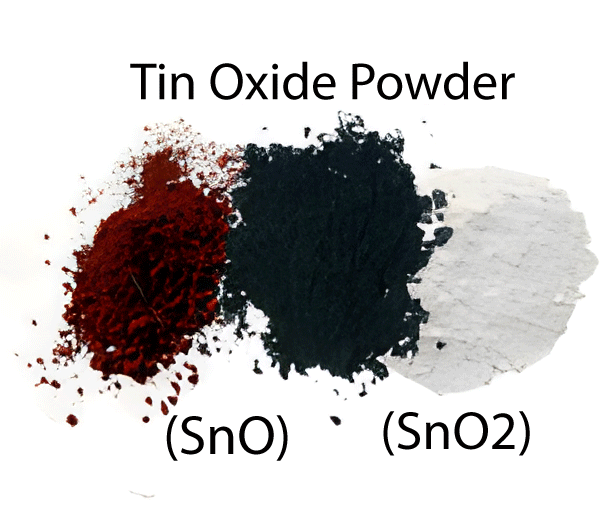 American Elements specializes in manufacturing single and multi-element oxides, doped oxides, and stabilized oxides in numerous different forms. Our standard products include powders and nanopowders, pieces, pellets, shot, tablets, and sputtering targets for thin film deposition, and forms for high temperature applications such as crucibles. We can also produce many forms not listed and custom compositions by request.